Ciao Readers!
Now that my urge to cook foreign food has subsided, I have taken up trying to make quintessential Tuscan dishes! I knew each region of Italy had its own food history and specialties, but I didn’t realize what an art form eating here really is. I kinda had a general sense of “Italian food” but hadn’t realized the countless variations (and which ones are and are not native to our new home). Take for instance basil and tomatoes – NOT Tuscan (found further South, like in Sicily). Risotto? Nope, go North to Milan. (Before I ran out of school time, I attended an afternoon class on Tuscan food traditions).
Tuscan food is based on bread. And not just any bread – thick, unsalted bread (which no one else in Italy likes). The cuisine is based on bread because that’s what the poor folks back in the middle ages could afford that would fill them up (they used to actually make the plates for the rich people out of bread, then eat the plates with the yummy tastey-bits afterwards – if I understood my teacher correctly….). The bread is unsalted because…well, it depends who you ask. According to common wisdom, the bread is unsalted because Tuscan food was heavily seasoned (back in the day before refrigeration it would cover the funky smell of old rabbit and boar, which the rich could afford to eat), and you don’t want salt in your bread to compete with salt in your food. According to my former teacher (who does seem to know everything about Florentine culture pre-1600), that is a myth and the truth is that there was a high tax on salt back in the 1200’s, so everyone stopped using it in protest and it became a tradition which never died. You can find both explanations on the internet, so take your pick.
Pretty much all of the food culture in Tuscany (like the art), was solidified by the end of the 16th century (gelato being the exception, soon followed). The newest “traditional” addition was white beans, brought back by Columbus. On a related note, one of the Medicis, Catherine, married a French dude (King Henry II) in the mid 1500’s and moved to Paris. According to my teacher, much of what we consider traditional French cuisine was actually adapted from the Italian specialties Catherine’s cook (who she brought with her) made, such as crepes, bechamel and duck a l’orange. (When I asked my teacher if Catherine brought any French foods back to Italy he unhesitatingly said “Non!”).
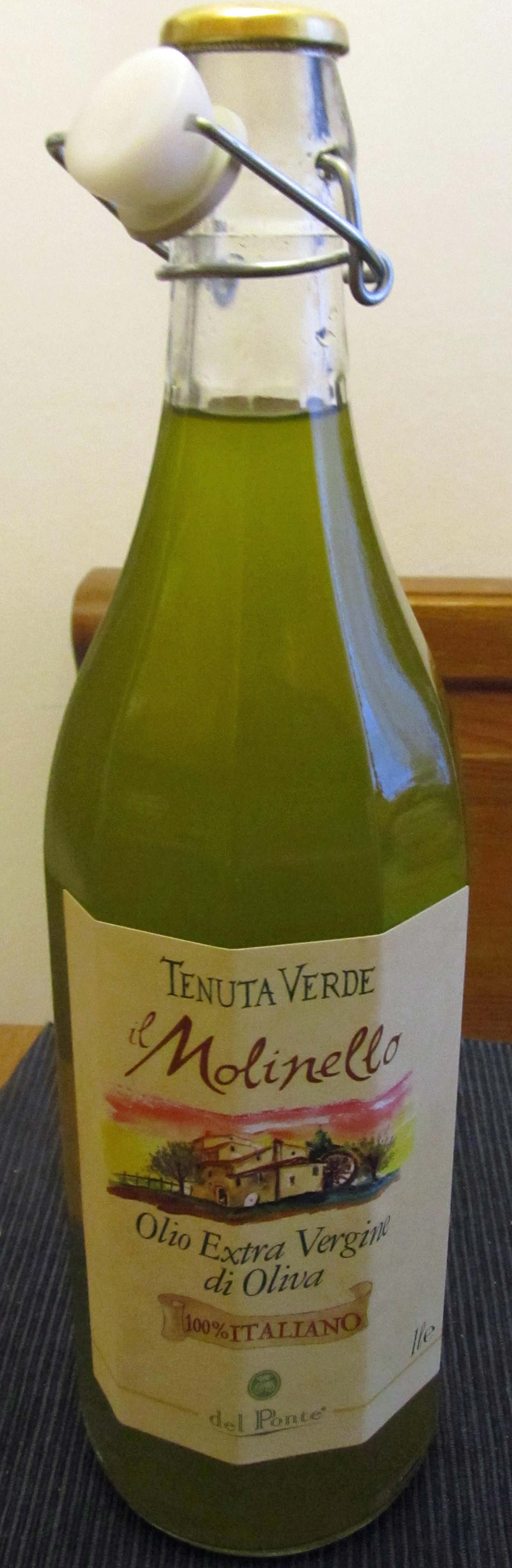
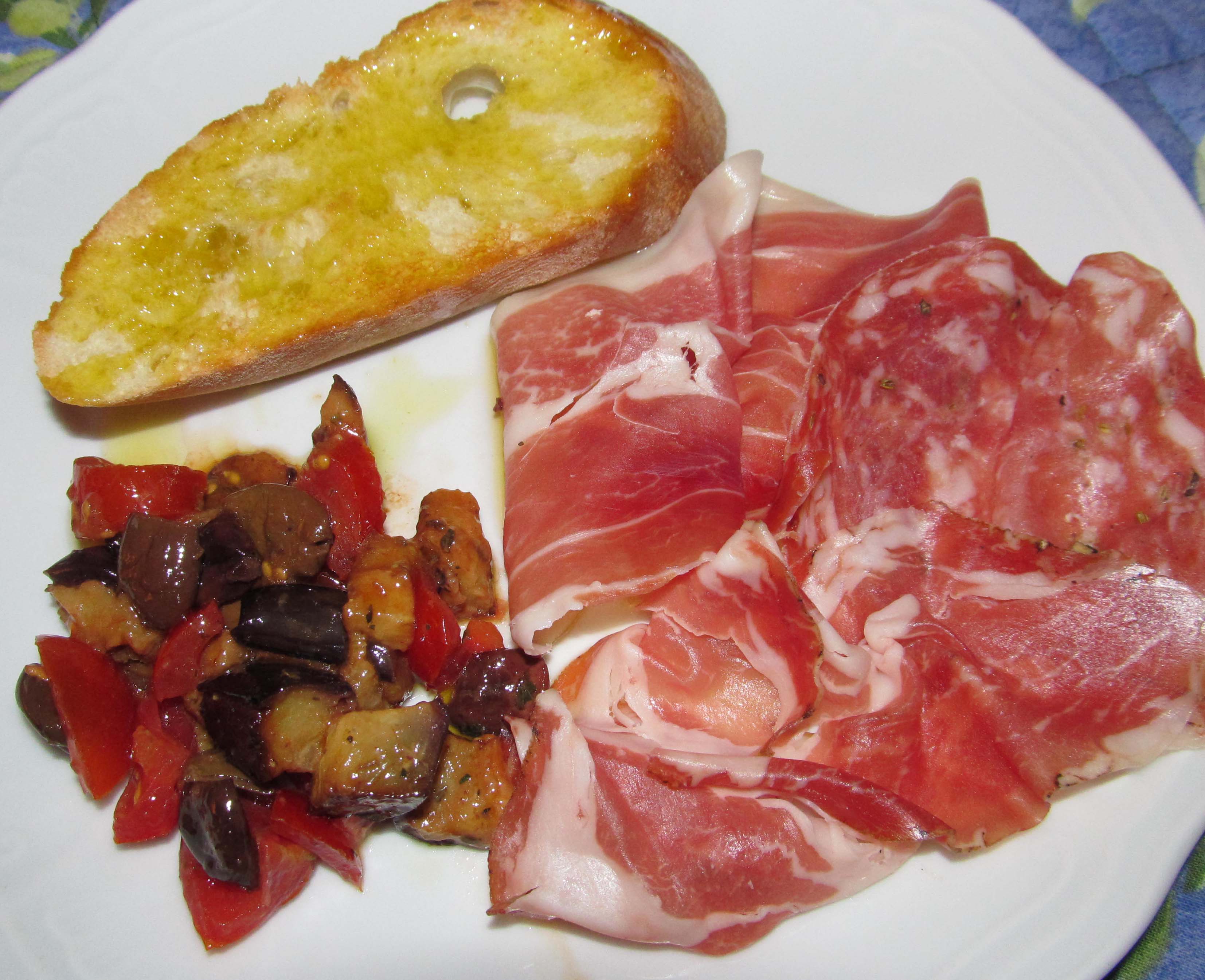
One of the many uses of Tuscan bread includes “fettunta,” – simple grilled bread rubbed with garlic and then covered by another Tuscan staple – olive oil. But not any olive oil – fresh, newly pressed, unfiltered green olive oil. Since we are in the middle of olive oil pressing season, this is THE time of the year to enjoy this simple tasty treat. We bought some of this lovely green oil and made our own fettunta:

Another Tuscan bread staple is “ribollita” (literally “reboiled”) – a soup made with leftover veggies (but almost always carrots and either kale or cabbage), beans, and stale bread. I had my first ribollita at a lovely lunch with a couple from Boston (who attended my school), so I know the one I made here was pretty darn close to the real deal (bread not pre-soaked for display purposes only): 
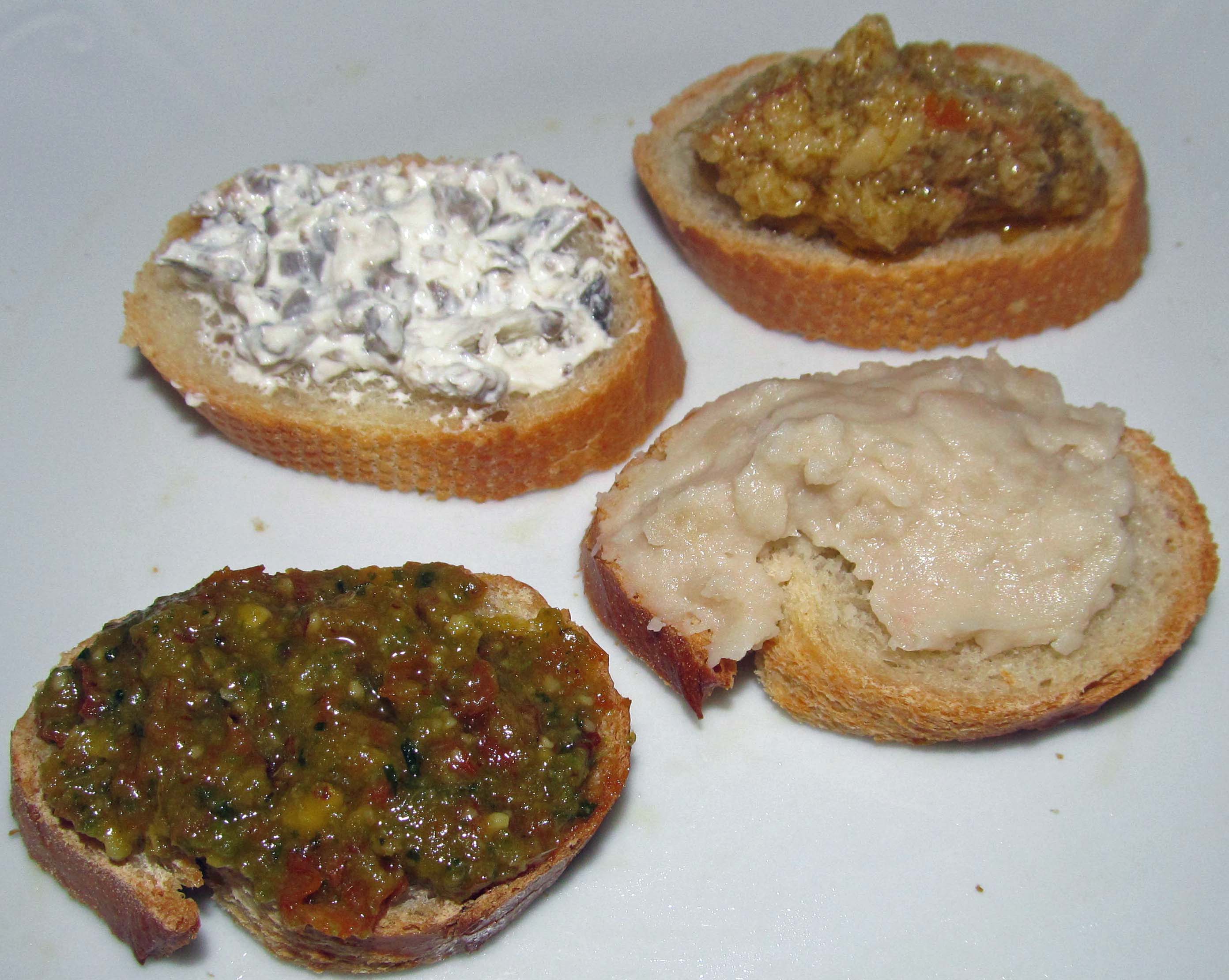
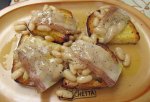
Since we had all that great bread and olive oil, I figured I’d make a few more-or-less Tuscan (at least Italian) delights. I made my own riff on caponata (on the plate with the fettunta and some yummy pork-based antipasti) as well as a variety of crostini (green = pesto, less green = artichoke, off white = garlic/bean spread, white speckled = “truffled” cream cheese spread). YUM, YUM, YUM!!!






 New Mexico to Italy